Read one chart, one step at a time
Teaching example · Beijing · local time · male · 1990-06-15 · 12:00
After true solar time correction: 1990-06-15 10:45
| Heavenly Stem / Earthly Branch | Year | Month | Day | Hour |
|---|---|---|---|---|
| Heavenly Stem | 庚 | 壬 | Day Master | 癸 |
| Earthly Branch | 午 | 午 | 亥 | 巳 |
Xin (辛), the upper character of the Day Pillar, is the reference point. Its metal imagery is a memory aid, not a personality verdict.
Start with one symbol
The top character of the Day Pillar is the Day Master. This example uses Xin (Yin Metal), traditionally pictured as a jewel. Start with the image, then consider the season and the rest of the chart.
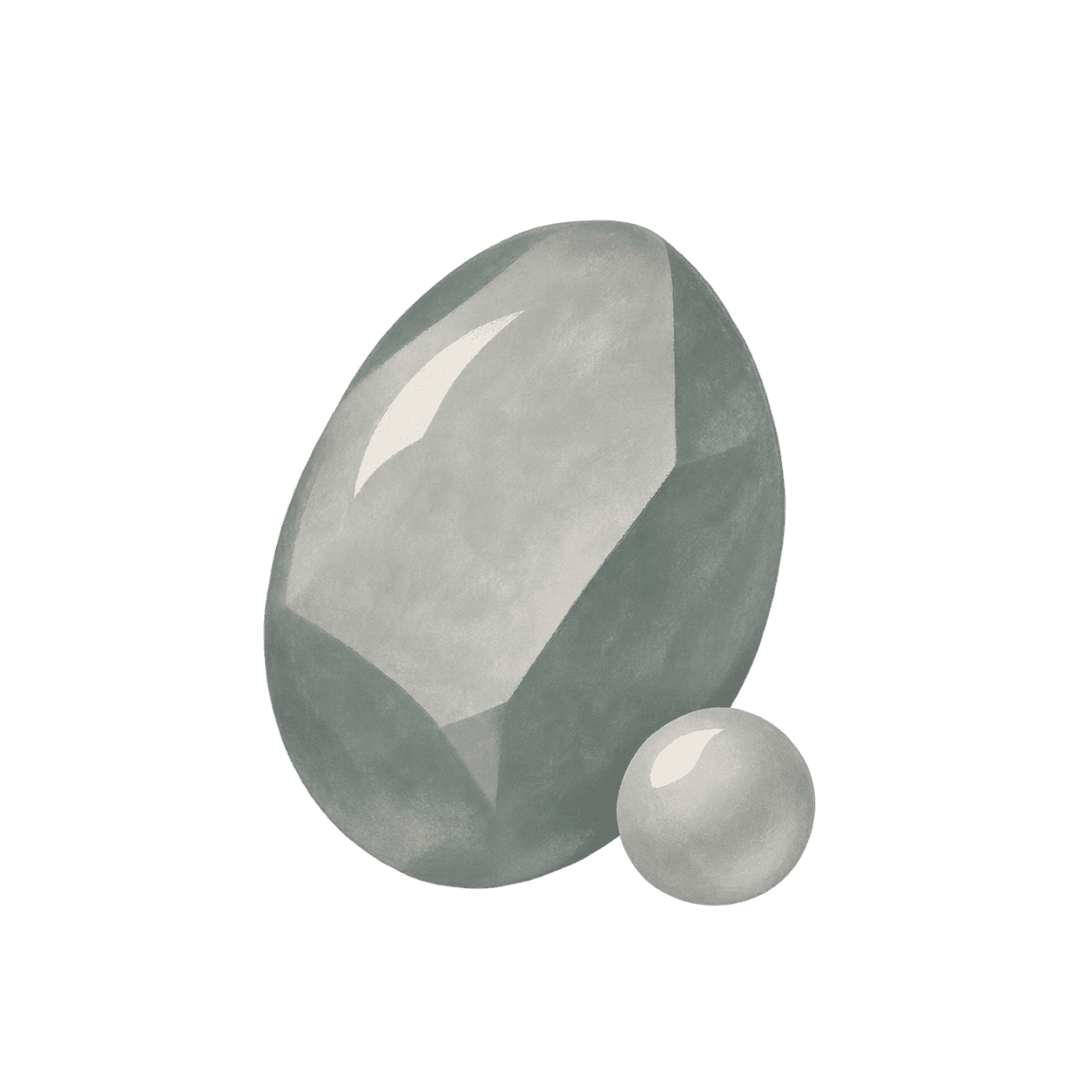
Jewel
A traditional image for this example’s Day Master
- Quality
- Discernment
- Proportion
Xin · Yin Metal · 辛
The Day Master (日主, rìzhǔ) is the Heavenly Stem at the top of your Day Pillar. It is calculated from your birth day. This one character provides the reference point for the other stems and branches: what supports it, what it produces, and what shapes it. Begin with its natural image, then read the season and the rest of the chart together.
FIND THE REFERENCE POINT
One anchor inside eight characters
The Day Master occupies the upper cell of the Day Pillar.
| Year | Month | Day | Hour |
|---|---|---|---|
Top row: Heavenly Stems · Bottom row: Earthly Branches
Day Stem = Day Master
Find the Day column, then its upper cell. Read the other seven characters in relation to this anchor.
Schematic placement only; no birth chart is calculated here.
What the Day Master Is
The Day Master is one of ten Heavenly Stems: 甲, 乙, 丙, 丁, 戊, 己, 庚, 辛, 壬 or 癸. Each combines one of the Five Elements with a yin or yang polarity. For example, Jia (甲) is Yang Wood, and Xin (辛) is Yin Metal. These names identify chart symbols, rather than ten fixed kinds of people.
The Day Master sets the point of view for a reading. Water generates a Wood Day Master, but controls a Fire Day Master. The same element can therefore take a different relationship name in two charts. Whether that relationship is helpful depends on the season and the wider structure.
The Ten Day Masters
These ten images give the stems a memorable shape. The three words beside each describe the image. People with the same Day Master can have very different charts, so continue from the symbol to its surroundings.
These illustrations explain traditional BaZi symbolism in everyday language for learning and reflection. The Day Master—the Heavenly Stem of the day of birth—is not a complete personality profile. A personal reading also considers the season, roots in the Earthly Branches, the other stems and branches, and the structure of the whole chart.
Tree
Jia · Yang Wood · 甲
Rooted in the earth, reaching upward along its own path.
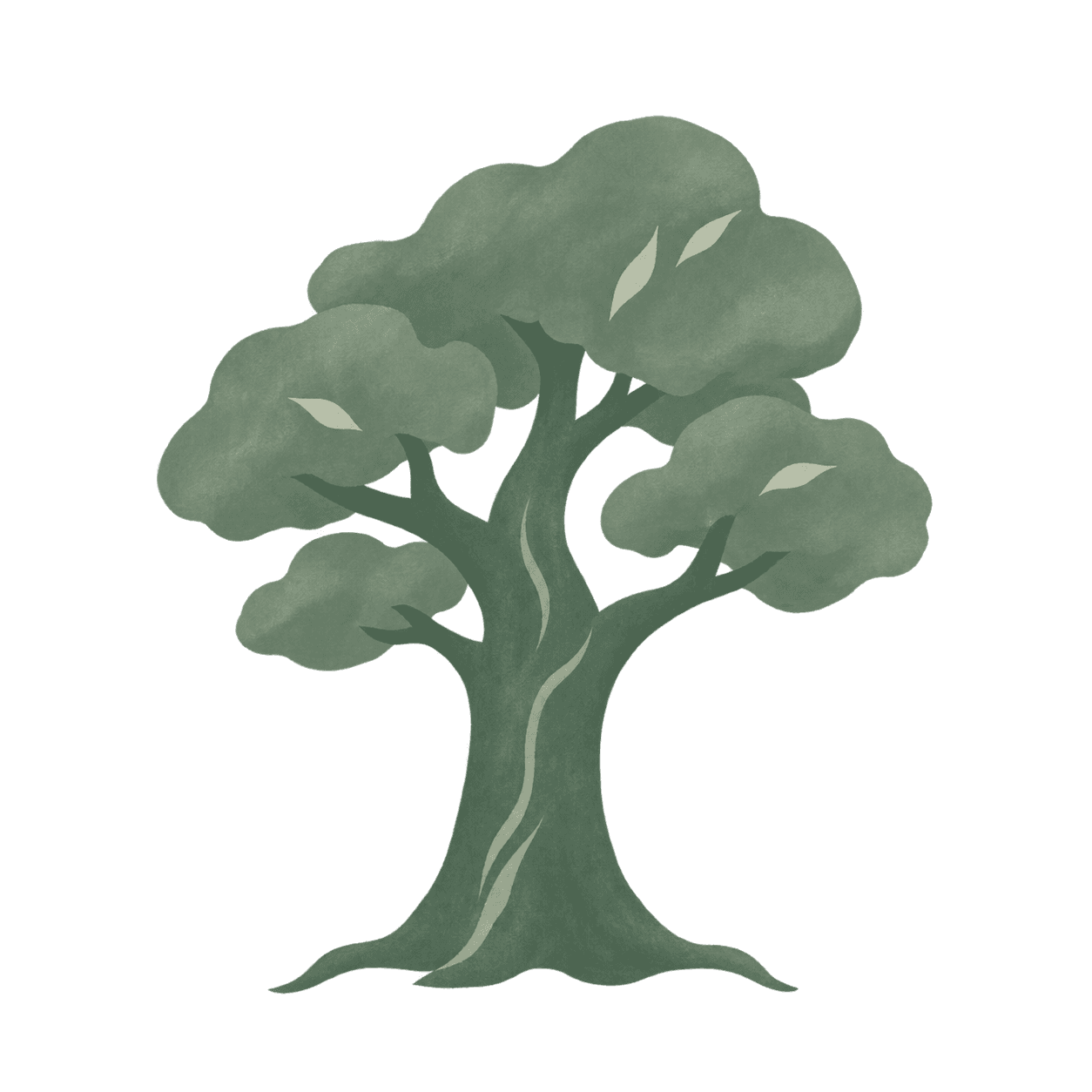
Tree
Jia · Yang Wood · 甲
Rooted in the earth, reaching upward along its own path.
- Purposeful
- Principled
- Dependable
- Persistent
A tree has a clear trunk, with branches reaching out in different directions. As an image for Jia, it suggests knowing what is worth holding on to, then giving new ideas room to grow around that center.
In everyday life, this might bring to mind a lasting commitment, a dependable routine, or the shelter we offer others. Trees also change their shape as they grow. Progress can mean adjusting a branch as much as reaching higher.
Strengths to explore
- Finding direction
- Bringing scattered ideas together into a path worth following.
- Thinking long term
- Building the foundations and giving good work time to grow.
- Offering support
- Becoming a steady presence around a shared purpose.
- Acting consistently
- Using clear principles to connect one choice with the next.
Possible blind spots
- Resisting a change of course
- A direction already chosen can become difficult to reconsider.
- Holding too firm a line
- Strong principles can leave too little room for context and exceptions.
- Carrying too much
- Being the reliable one can make it easy to forget to share the load.
- Missing small changes
- Looking far ahead can draw attention away from what is changing nearby.
Reading the illustration
The trunk, canopy, and roots connect upward growth with a steady foundation.
- Trunk
- A clear central line suggests direction and support.
- Canopy
- Spreading branches suggest development and room for others.
- Roots
- The drawn roots are a metaphor. In BaZi, rooting is checked separately in the Earthly Branches' hidden stems.
One element, two expressions
Jia establishes a direction through its trunk; Yi responds to its surroundings through climbing stems. Both express Wood's growth, with one emphasizing upright structure and the other flexible reach.
Words and classical sources
The classical explanation
甲,孚也,萬物解孚甲而生也。Shiming · Explaining HeavenIn plain English
The Shiming (Explaining Names) connects Jia with a protective casing, describing living things first breaking out of it. The emphasis is on the beginning of life unfolding.
The character and the metaphor
The passage interprets the stem name through an associated word for a casing. This traditional explanation is distinct from evidence about the earliest written forms. The tree illustrates Yang Wood here; the passage does not identify Jia’s oracle-bone form as a tree.
Traditional element correspondences
- Place among the ten stems
- 1 / 10
- Hetu number pair
- 3 · 8
- Traditional color
- Blue-green (qing)
- Direction
- East
The numbers, directions, and colors belong to traditional Five Element correspondences. They are not personal lucky numbers, lucky colors, or advice for changing your fortune.
The illustrations use our site's mineral-inspired palette. The classical color names—blue-green, red, yellow, white, and black—describe a separate traditional system.
Public figures: birth-date examples
These examples use published birth dates; birth times have not been verified. A birth close to the day boundary may fall under a different Day Pillar. These examples are not evidence of anyone's personality or achievements.
Orhan Pamuk
- Published birth date
- Date-based Day Pillar
- 甲申
The rest of the chart matters
To move from the tree image to a personal reading, look at the conditions around it.
- The season indicated by the Month Branch, which sets the background for Wood.
- Wood in the branches and their hidden stems: where it appears and how it roots the Day Master.
- The placement of Water, Fire, Earth, and Metal, and how their generating and controlling relationships work together.
A question to reflect on
Is this commitment the trunk that supports your growth, or a branch you could reshape?
Sources and verification notes
Classical quotations retain their original characters. The modern explanations are our own. The images are teaching metaphors, not claims about what the earliest written characters depicted.
Vine
Yi · Yin Wood · 乙
Following the light, finding room to grow.
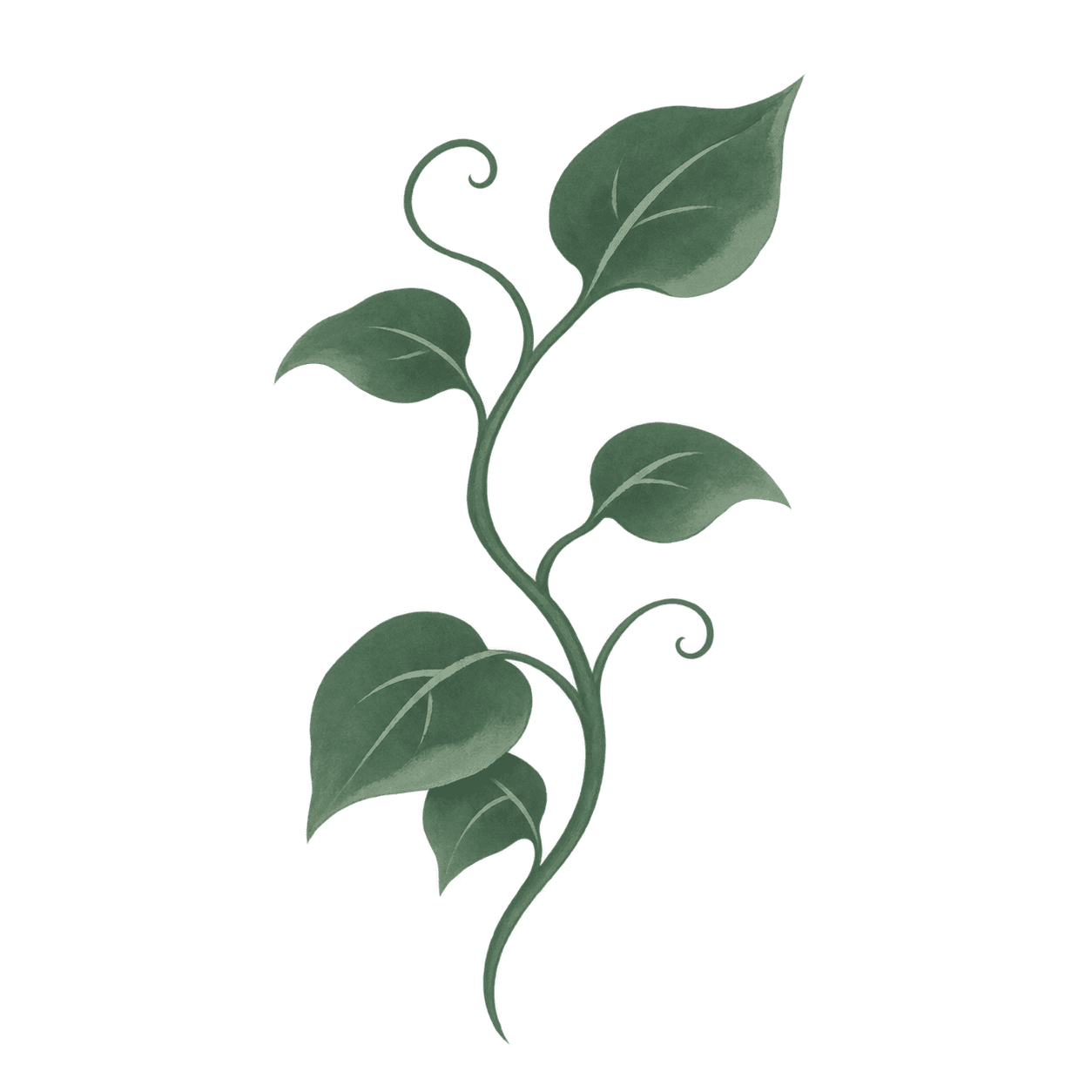
Vine
Yi · Yin Wood · 乙
Following the light, finding room to grow.
- Flexible
- Observant
- Collaborative
- Persistent
A vine does not need a straight path. It bends around shade, finds a foothold, and sends new leaves toward the light. Yi's image captures a quiet persistence: the ability to change shape while continuing to grow.
In daily life, this may suggest negotiation, thoughtful timing, and a feel for how details connect. Flexibility also needs boundaries. Changing the route need not mean handing the destination over to someone else.
Strengths to explore
- Trying another approach
- Finding a new angle when the original path is blocked.
- Reading the situation
- Noticing tone, timing, and needs that have yet to be put into words.
- Making connections
- Bringing people and ideas together so each can contribute.
- Creating through detail
- Shaping a richer result through small, thoughtful adjustments.
Possible blind spots
- Losing direction
- Frequent changes of approach can obscure the original aim.
- Over-accommodating
- Keeping things harmonious can leave too little room for personal needs.
- Putting off a difficult conversation
- Waiting for the perfect moment can let a problem become more tangled.
- Relying too much on support
- Growing with others still leaves a need for independent choices.
Reading the illustration
A climbing stem gives the image movement and purpose while showing how it responds to its surroundings.
- Climbing stem
- An upward curve suggests changing course without losing momentum.
- New leaves
- Leaves spaced along the stem suggest close attention and fresh growth.
- Tendrils
- Fine lines reaching for a foothold suggest connection and support.
One element, two expressions
Yi reaches by adapting to its surroundings; Jia grows around a clear central trunk. Both can persist. The difference lies in how they meet space and resistance.
Words and classical sources
The classical explanation
乙者,言萬物生軋軋也。Shiji · Treatise on Pitch PipesIn plain English
The Shiji (Records of the Grand Historian) explains Yi through the emergence and sprouting of living things. This helps place the traditional image of winding growth in context.
The character and the metaphor
The connection with bending plant growth belongs to traditional interpretation. The original meaning of Yi’s early written forms remains debated. The vine is a teaching metaphor, rather than a settled account of the character’s origin.
Traditional element correspondences
- Place among the ten stems
- 2 / 10
- Hetu number pair
- 3 · 8
- Traditional color
- Blue-green (qing)
- Direction
- East
The numbers, directions, and colors belong to traditional Five Element correspondences. They are not personal lucky numbers, lucky colors, or advice for changing your fortune.
The illustrations use our site's mineral-inspired palette. The classical color names—blue-green, red, yellow, white, and black—describe a separate traditional system.
Public figures: birth-date examples
These examples use published birth dates; birth times have not been verified. A birth close to the day boundary may fall under a different Day Pillar. These examples are not evidence of anyone's personality or achievements.
The rest of the chart matters
The vine is a starting point. The conditions for its growth come from the full chart.
- The season and Month Branch, which set the background for Wood.
- Whether Wood in the branches' hidden stems provides roots for the Day Master.
- How the other Heavenly Stems generate, control, or combine with one another in context.
A question to reflect on
Does this adjustment bring you closer to your aim, or is it mainly a way to avoid disappointing someone?
Sources and verification notes
Classical quotations retain their original characters. The modern explanations are our own. The images are teaching metaphors, not claims about what the earliest written characters depicted.
Sun
Bing · Yang Fire · 丙
Bringing more into the light, so the way ahead becomes clearer.

Sun
Bing · Yang Fire · 丙
Bringing more into the light, so the way ahead becomes clearer.
- Open
- Enthusiastic
- Generous
- A broad perspective
Sunlight reveals a whole landscape, rather than a single point. As an image for Bing, it brings to mind open expression, the sharing of ideas, and the wish to bring things into view.
It might resemble the voice that offers an initial direction in a discussion, or the enthusiasm that lets others see how a project is taking shape. Clarity still allows room for uncertainty. A bright outlook does not require an immediate answer to everything.
Strengths to explore
- Getting things moving
- An open, engaged approach can encourage others to take part.
- Making things clear
- Putting ideas into words so a shared direction becomes visible.
- Sharing enthusiasm
- Letting a personal interest become an invitation to others.
- Seeing the wider picture
- Stepping back to understand the possibilities around a problem.
Possible blind spots
- Moving too quickly
- Others may still need time to prepare when enthusiasm is already in motion.
- Leaving little room to listen
- The wish to explain everything can crowd out other voices.
- Overlooking the details
- A clear big picture still needs practical details that work.
- Always being the bright one
- There is no need to lift the mood or supply an answer every time.
Reading the illustration
A complete sun disc, widely spaced rays, and a soft rim create a sense of light reaching outward.
- Sun disc
- A full circle creates a clear, visible center.
- Rays
- Lines extending outward suggest sharing and expression.
- Sun rim
- A soft, gently uneven outline keeps the brightness from feeling harsh.
One element, two expressions
Bing resembles sunlight illuminating a wide area; Ding resembles candlelight revealing nearby detail. These are different ways of giving light, not a ranking of strength.
Words and classical sources
The classical explanation
丙者,言陽道著明,故曰:丙;Shiji · Treatise on Pitch PipesIn plain English
The Shiji (Records of the Grand Historian) explains Bing through yang qi coming into clear expression. Its image is one of brightness becoming fully apparent.
The character and the metaphor
The passage describes an expression of yang qi, rather than the original shape of the character. The sun illustrates Yang Fire here; the text does not identify Bing as an early drawing of the sun.
Traditional element correspondences
- Place among the ten stems
- 3 / 10
- Hetu number pair
- 2 · 7
- Traditional color
- Red
- Direction
- South
The numbers, directions, and colors belong to traditional Five Element correspondences. They are not personal lucky numbers, lucky colors, or advice for changing your fortune.
The illustrations use our site's mineral-inspired palette. The classical color names—blue-green, red, yellow, white, and black—describe a separate traditional system.
Public figures: birth-date examples
These examples use published birth dates; birth times have not been verified. A birth close to the day boundary may fall under a different Day Pillar. These examples are not evidence of anyone's personality or achievements.
The rest of the chart matters
Fire's condition in a chart depends on the season and the surrounding arrangement.
- How the Month Branch and season contribute to Fire's relative strength.
- Fire in the branches' hidden stems, and Wood or Fire elsewhere in the chart.
- Where Water, Earth, and Metal appear, and how they relate to Fire.
A question to reflect on
What would help most now: making the direction clearer, or first listening to how others want to proceed?
Sources and verification notes
Classical quotations retain their original characters. The modern explanations are our own. The images are teaching metaphors, not claims about what the earliest written characters depicted.
Candle
Ding · Yin Fire · 丁
A close, steady light that brings small details into view.

Candle
Ding · Yin Fire · 丁
A close, steady light that brings small details into view.
- Attentive
- Warm
- Thoughtful
- Patient
A candle lights a page or a familiar face rather than the whole sky. Ding's image gives a shape to close attention: the warmth, care, and detail that become visible when the focus is nearby.
It might resemble listening patiently before finding just the right response, or revising a piece of work until the details are right. Warmth can be quiet and clear. Understanding need not depend on someone guessing what has been left unsaid.
Strengths to explore
- Noticing what matters
- Finding an important need in a detail that others have passed over.
- Speaking with care
- Choosing a tone that helps an important message be heard.
- Refining patiently
- Returning to an idea until its shape and meaning become clearer.
- Considering feelings
- Paying attention to the tone of an exchange and leaving room for others.
Possible blind spots
- Turning things over too long
- Seeing every detail can sometimes make a decision harder.
- Leaving wishes unspoken
- Care is easier to understand when it is also expressed directly.
- Focusing too narrowly
- Close attention to one corner can obscure the wider picture.
- Giving too much attention
- Looking after everyone's feelings can leave little space for personal needs.
Reading the illustration
An upright candle and a light, slender flame suggest warmth held in a focused space.
- Candle body
- A simple upright form supports the image of sustained light.
- Wick
- The connection between candle and flame gives attention a clear point of focus.
- Flame
- A slender, bright shape suggests sensitivity and warmth.
One element, two expressions
Ding's candlelight brings nearby details into view; Bing's sunlight reveals a wider scene. A close focus and a broad outlook each make different things visible.
Words and classical sources
The classical explanation
丁者,言萬物之丁壯也,故曰:丁。Shiji · Treatise on Pitch PipesIn plain English
The Shiji (Records of the Grand Historian) links Ding with living things reaching maturity and vigor. The expression dingzhuang refers here to a stage of growth.
The character and the metaphor
Dingzhuang describes maturity and vigor in this context. It is not an explanation of a candle-shaped character. The candle is the teaching image used here for Yin Fire.
Traditional element correspondences
- Place among the ten stems
- 4 / 10
- Hetu number pair
- 2 · 7
- Traditional color
- Red
- Direction
- South
The numbers, directions, and colors belong to traditional Five Element correspondences. They are not personal lucky numbers, lucky colors, or advice for changing your fortune.
The illustrations use our site's mineral-inspired palette. The classical color names—blue-green, red, yellow, white, and black—describe a separate traditional system.
Public figures: birth-date examples
These examples use published birth dates; birth times have not been verified. A birth close to the day boundary may fall under a different Day Pillar. These examples are not evidence of anyone's personality or achievements.
The rest of the chart matters
The candle illustrates an idea. Fire's actual condition still needs to be read from the chart.
- The seasonal setting established by the Month Branch.
- Fire's roots in the branches, and where Wood and Fire appear elsewhere.
- How other stems and branches generate, control, or combine with Ding, and whether specific arrangements form.
A question to reflect on
Have you said clearly how you feel?
Sources and verification notes
Classical quotations retain their original characters. The modern explanations are our own. The images are teaching metaphors, not claims about what the earliest written characters depicted.
Mountain
Wu · Yang Earth · 戊
Standing firm, with room for paths through the landscape.
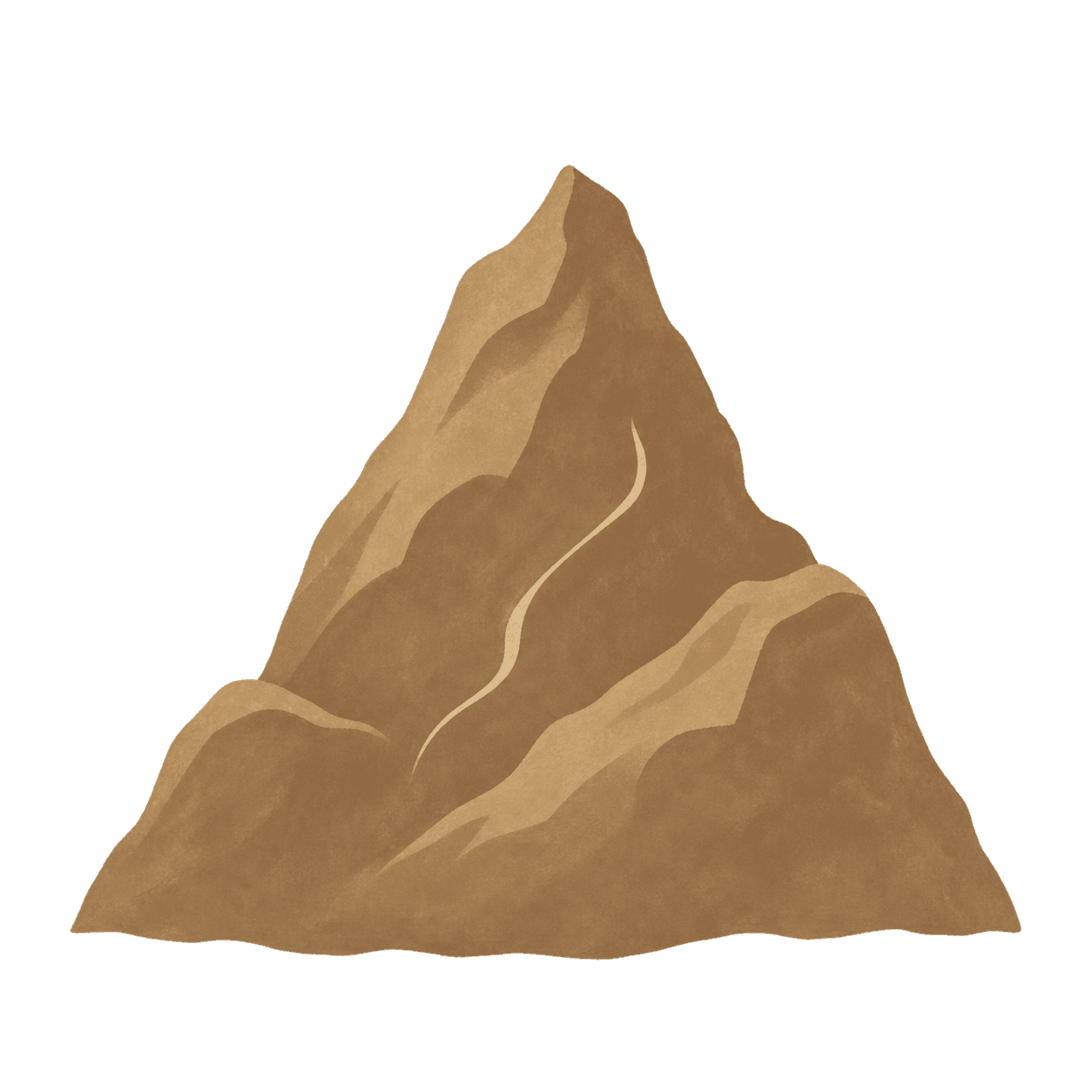
Mountain
Wu · Yang Earth · 戊
Standing firm, with room for paths through the landscape.
- Steady
- Committed
- Clear boundaries
- Composed
A mountain has presence through its steady outline. Wu's image brings to mind support, a clear position, and boundaries: something recognizable that remains while conditions around it change.
It might resemble a dependable agreement among people who live or work together, or a principle that holds through disagreement. Mountains also have paths and valleys. Stability can make room for movement and exchange without losing its shape.
Strengths to explore
- Providing stability
- Keeping a reliable foundation in view when circumstances change.
- Following through
- Turning a commitment into something others can count on.
- Setting boundaries
- Distinguishing what needs protection from what can be negotiated.
- Taking a measured view
- Giving a situation time instead of reacting to every fluctuation.
Possible blind spots
- Holding on too long
- A familiar, stable approach may no longer suit a changed situation.
- Finding it hard to ask for help
- Taking responsibility still leaves room to name difficulties and needs.
- Turning boundaries into walls
- Protecting a principle can also shut out a useful conversation.
- Waiting too long to respond
- Waiting for complete clarity can delay a needed adjustment.
Reading the illustration
The peak, ridges, and broad base give the mountain a steady outline with visible depth.
- Peak
- A distinct high point suggests a clear position and a recognizable direction.
- Ridges
- Changing contours suggest boundaries and inner complexity.
- Base
- A broad footing conveys support and stability.
One element, two expressions
Wu's mountain highlights structure and boundaries; Ji's fertile soil highlights receptiveness and care. Both express Earth, through different ways of supporting what surrounds them.
Words and classical sources
The classical explanation
戊,茂也,物皆茂盛也。Shiming · Explaining HeavenIn plain English
The Shiming (Explaining Names) explains Wu through a sound association with mao, meaning luxuriant growth. It describes living things flourishing.
The character and the metaphor
This is a classical explanation based on associated sounds, not an account of a mountain-shaped character. The mountain helps illustrate Yang Earth’s stability and capacity to support; it does not show what the character Wu originally depicted.
Traditional element correspondences
- Place among the ten stems
- 5 / 10
- Hetu number pair
- 5 · 10
- Traditional color
- Yellow
- Direction
- Center
The numbers, directions, and colors belong to traditional Five Element correspondences. They are not personal lucky numbers, lucky colors, or advice for changing your fortune.
The illustrations use our site's mineral-inspired palette. The classical color names—blue-green, red, yellow, white, and black—describe a separate traditional system.
Public figures: birth-date examples
These examples use published birth dates; birth times have not been verified. A birth close to the day boundary may fall under a different Day Pillar. These examples are not evidence of anyone's personality or achievements.
Kazuo Ishiguro
- Published birth date
- Date-based Day Pillar
- 戊辰
The rest of the chart matters
The mountain's solidity is symbolic. Earth's condition in a chart requires a fuller reading.
- The Month Branch and season, including the chart's cold, warm, dry, or damp conditions.
- Earth's roots in the branches and hidden stems, and where they occur.
- How Fire, Metal, Water, and Wood relate to Earth through generation, control, and the ways those interactions modify one another.
A question to reflect on
Does the boundary you are holding still leave a way to talk and adjust?
Sources and verification notes
Classical quotations retain their original characters. The modern explanations are our own. The images are teaching metaphors, not claims about what the earliest written characters depicted.
Fertile soil
Ji · Yin Earth · 己
Making room for different seeds, and time for them to grow.
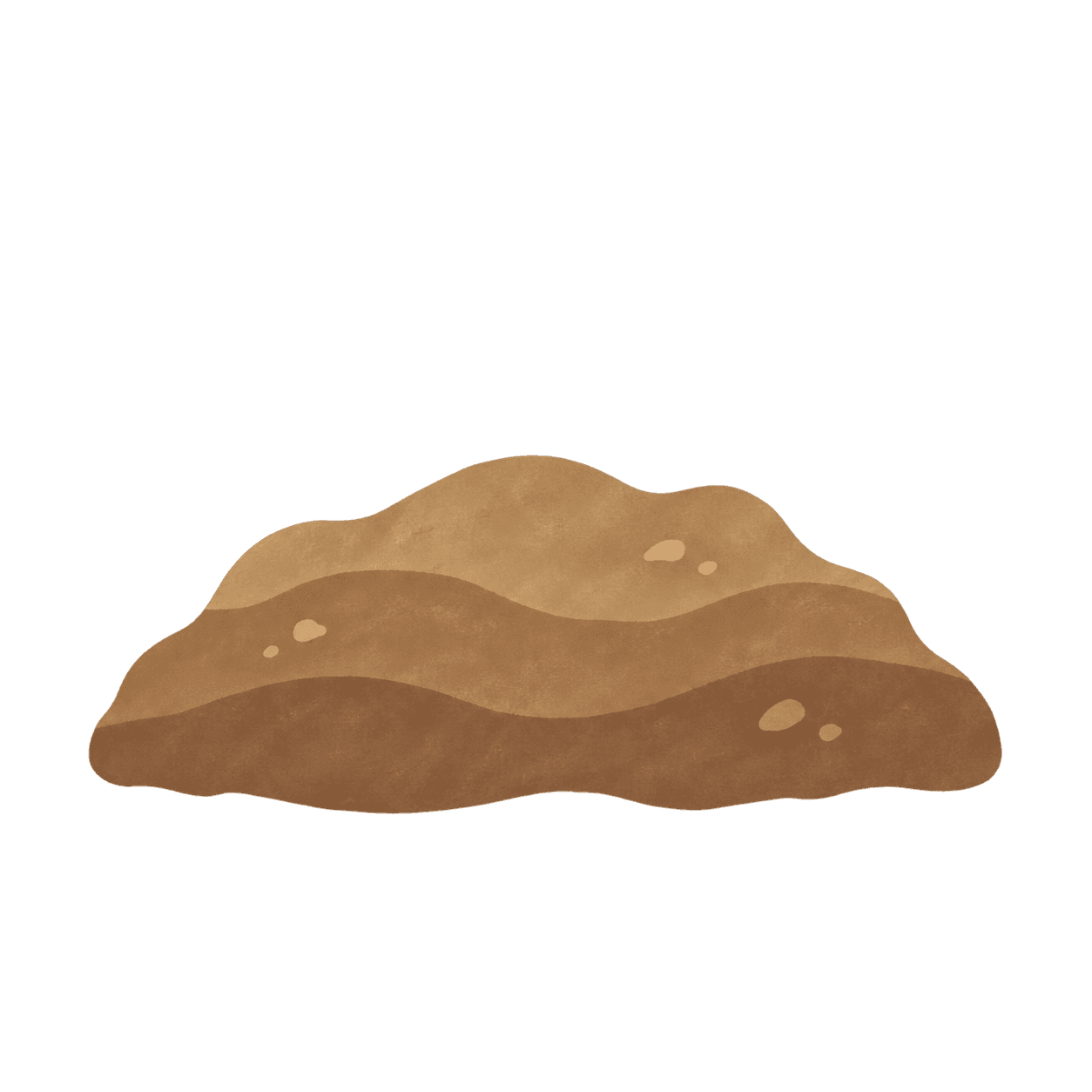
Fertile soil
Ji · Yin Earth · 己
Making room for different seeds, and time for them to grow.
- Receptive
- Practical
- Resourceful
- Nurturing
Much of the work of fertile soil happens below the surface. It holds moisture, receives fallen leaves, and gives seeds somewhere to settle. Ji's image is about making the available materials into conditions where growth becomes possible.
It might resemble the everyday arrangements that keep life running, or the patient work of putting experience to use. Nurturing also includes loosening the ground, leaving space, and stepping back so that each thing can develop its own shape.
Strengths to explore
- Making care practical
- Turning a need into a manageable daily routine.
- Bringing resources together
- Making scattered materials and past experience useful again.
- Allowing for differences
- Finding room for different needs and different paces.
- Giving growth time
- Supporting gradual progress without demanding immediate results.
Possible blind spots
- Doing too much for others
- Arranging every detail for someone can reduce their independence.
- Struggling to say no
- Before agreeing to help, check how much time and energy you can give.
- Getting lost in upkeep
- Keeping everything running can leave too little time to rethink priorities.
- Holding on to what is no longer useful
- Valuing what has accumulated also calls for knowing what to clear away.
Reading the illustration
A gentle mound, visible soil layers, and scattered grains express receptiveness and gradual growth.
- Mound
- A low, open contour suggests receiving and supporting.
- Soil layers
- Fine layers evoke time and accumulated experience.
- Soil grains
- A few scattered grains give support and accumulation a tangible texture.
One element, two expressions
Ji's soil receives and nurtures; Wu's mountain supports and defines boundaries. The distinction is how each carries and supports, not which is more dependable.
Words and classical sources
The classical explanation
理紀於己Hanshu · Treatise on Pitch Pipes and CalendarIn plain English
The Hanshu (Book of Han) explains Ji through things becoming ordered and distinguishable. This sits within a continuous account of growth and change in the natural world.
The character and the metaphor
The explanation associates Ji (己) with ji (紀), a word connected with order. It is not evidence that the early character depicted fields or soil. Fertile soil is our teaching image for Yin Earth.
Traditional element correspondences
- Place among the ten stems
- 6 / 10
- Hetu number pair
- 5 · 10
- Traditional color
- Yellow
- Direction
- Center
The numbers, directions, and colors belong to traditional Five Element correspondences. They are not personal lucky numbers, lucky colors, or advice for changing your fortune.
The illustrations use our site's mineral-inspired palette. The classical color names—blue-green, red, yellow, white, and black—describe a separate traditional system.
Public figures: birth-date examples
These examples use published birth dates; birth times have not been verified. A birth close to the day boundary may fall under a different Day Pillar. These examples are not evidence of anyone's personality or achievements.
Gabriel García Márquez
- Published birth date
- Date-based Day Pillar
- 己亥
The rest of the chart matters
Fertile soil is a metaphor here, not a finding about the condition of Earth in a chart.
- The cold, warm, dry, or damp setting associated with the Month Branch and season.
- Earth in the branches' hidden stems, and the pillars in which those roots appear.
- The arrangement of Fire, Metal, Water, and Wood, and their relationships with Earth.
A question to reflect on
Of the things you are tending, which need more attention, and which need more room?
Sources and verification notes
Classical quotations retain their original characters. The modern explanations are our own. The images are teaching metaphors, not claims about what the earliest written characters depicted.
Forged tool
Geng · Yang Metal · 庚
Giving strength a clear purpose, and knowing where to apply it.
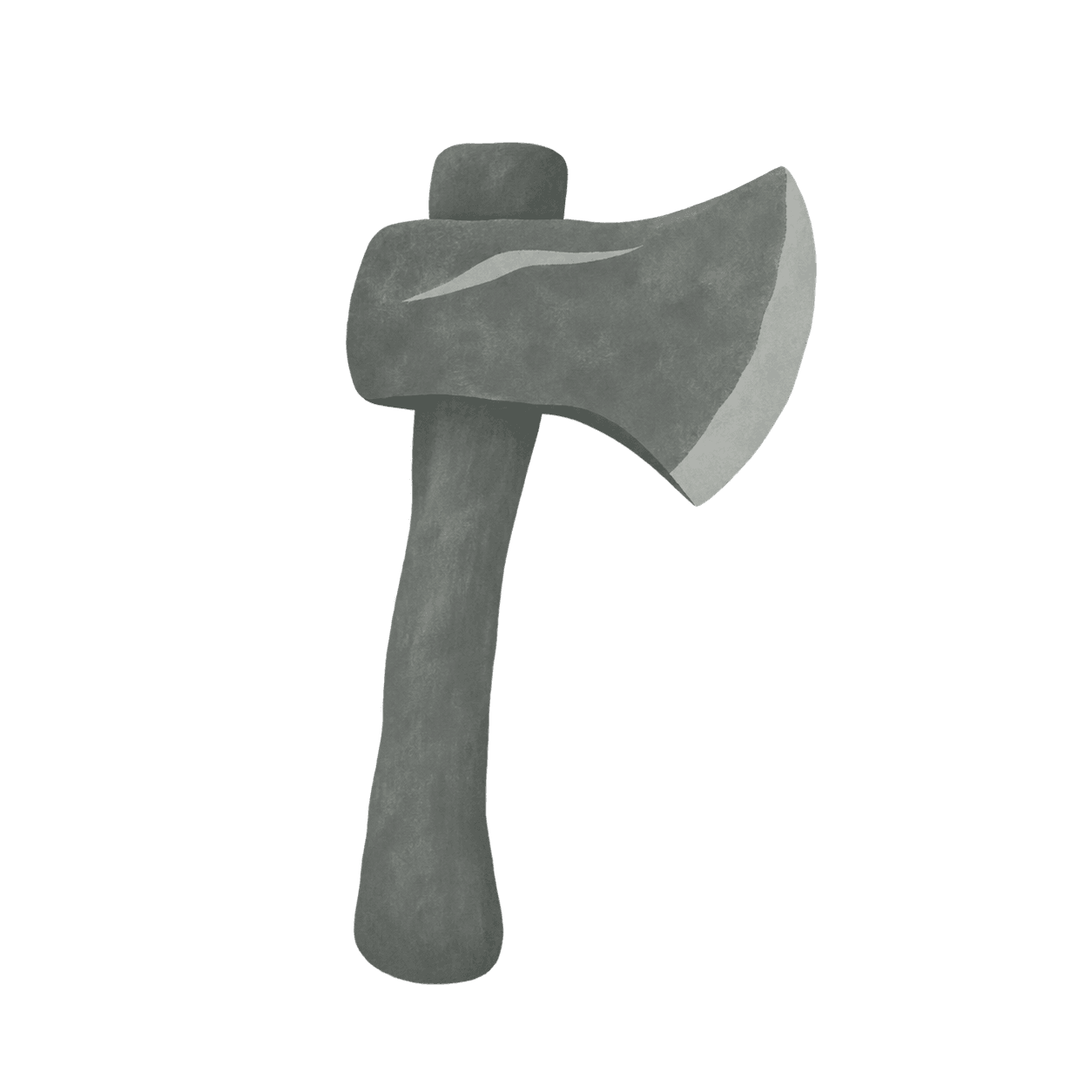
Forged tool
Geng · Yang Metal · 庚
Giving strength a clear purpose, and knowing where to apply it.
- Decisive
- Fair-minded
- Practical
- Ready to act
A forged tool matters for its shape, purpose, and use, as well as its strength. Geng's image suggests giving effort a clear task: identifying what needs to change and taking a practical step toward it.
It might resemble a firm decision or the boundary that brings order to a confusing situation. A tool works best at the right angle. Decisiveness is more effective when paired with patience and a sense of proportion.
Strengths to explore
- Making a decision
- Choosing a path and taking responsibility for what follows.
- Working through an obstacle
- Breaking a problem down to find a practical first step.
- Making standards clear
- Explaining boundaries and expectations so less is left uncertain.
- Putting change into practice
- Taking action when an arrangement has stopped working well.
Possible blind spots
- Sounding too sharp
- A direct observation is easier to understand when it is expressed with care.
- Deciding too early
- A quick judgment may arrive before the necessary information does.
- Seeing only black and white
- Even when a rule is clear, the circumstances deserve a closer look.
- Rushing to fix things
- Sometimes people need to be heard before they need a solution.
Reading the illustration
A simple metal tool with restrained forging marks conveys purposeful strength.
- Body
- A solid, defined shape suggests purpose and practical action.
- Edge
- A crisp boundary suggests discernment and clear choices.
- Forging marks
- Subtle surface marks evoke shaping, practice, and refinement.
One element, two expressions
Geng's tool emphasizes use, strength, and decisive choices; Xin's jewel emphasizes quality, proportion, and detail. They bring different aspects of Metal into view.
Words and classical sources
The classical explanation
庚者,言陰氣庚萬物,故曰:庚;Shiji · Treatise on Pitch PipesIn plain English
The Shiji (Records of the Grand Historian) explains Geng in the setting of autumn's growing influence. Read alongside the Hanshu's wording about gathering in and change, the emphasis is on contraction and renewal.
The character and the metaphor
The passage concerns seasonal change. It does not establish that Geng’s earliest written form depicted an axe or blade. The forged tool is the teaching image used here for Yang Metal.
Traditional element correspondences
- Place among the ten stems
- 7 / 10
- Hetu number pair
- 4 · 9
- Traditional color
- White
- Direction
- West
The numbers, directions, and colors belong to traditional Five Element correspondences. They are not personal lucky numbers, lucky colors, or advice for changing your fortune.
The illustrations use our site's mineral-inspired palette. The classical color names—blue-green, red, yellow, white, and black—describe a separate traditional system.
Public figures: birth-date examples
These examples use published birth dates; birth times have not been verified. A birth close to the day boundary may fall under a different Day Pillar. These examples are not evidence of anyone's personality or achievements.
Adele
- Published birth date
- Date-based Day Pillar
- 庚申
The rest of the chart matters
Forging belongs to the metaphor. The image alone cannot tell us whether a chart benefits from Fire.
- How the Month Branch and season affect Metal's relative strength.
- Metal in the branches' hidden stems, and where Earth and Metal appear elsewhere.
- How Fire, Water, and Wood interact with Metal, including combinations and the ways relationships modify one another.
A question to reflect on
Does this situation need a quicker decision, or better information before the decision?
Sources and verification notes
Classical quotations retain their original characters. The modern explanations are our own. The images are teaching metaphors, not claims about what the earliest written characters depicted.
Jewel
Xin · Yin Metal · 辛
Noticing the small distinctions that let quality come into view.
Jewel
Xin · Yin Metal · 辛
Noticing the small distinctions that let quality come into view.
- Discerning
- Refined
- Quality-conscious
- Measured
A jewel draws attention through subtle texture and light rather than size. Xin's image brings quality, discernment, and proportion into focus, inviting a closer look at distinctions that might otherwise pass unnoticed.
It might resemble editing a sentence until it says exactly what is meant, or choosing carefully among many options. Refinement also needs a stopping point. Something can be valued and enjoyed without having to prove it is flawless.
Strengths to explore
- Recognizing distinctions
- Noticing small differences in quality, meaning, and approach.
- Refining the result
- Making words or work more precise by removing what gets in the way.
- A sense of proportion
- Knowing when to step closer, when to give space, and how much is enough.
- Showing what matters
- Finding a fitting way to make something valuable easier to appreciate.
Possible blind spots
- Raising the bar too high
- The pursuit of precision can keep moving the point at which work feels finished.
- Noticing only the flaws
- Recognizing what could improve also calls for seeing what already works.
- Depending on approval
- Other people's reactions need not be the only measure of value.
- Keeping too much distance
- Respectful boundaries can still include warmth and a clear expression of need.
Reading the illustration
A small jewel, precise contours, and soft light create a quiet sense of quality.
- Stone
- A compact, complete form suggests substance and inherent value.
- Contour
- A carefully defined outline suggests discernment and proportion.
- Luster
- A gentle highlight makes fine differences visible.
One element, two expressions
Xin's jewel emphasizes careful discernment; Geng's tool emphasizes decision and practical use. Fineness and solidity offer different ways of understanding Metal, without making one better than the other.
Words and classical sources
The classical explanation
辛者,言萬物之辛生,故曰:辛。Shiji · Treatise on Pitch PipesIn plain English
The Shiji (Records of the Grand Historian) uses the wording 辛生. Read alongside the Hanshu's phrase 悉新於辛, it can be understood within a traditional account of renewal in the natural world.
The character and the metaphor
The Shiji’s wording is 辛生. The similar-looking 新生, meaning new growth, is a different wording; the quotation retains the original. The interpretation of renewal comes from comparison with the Hanshu. The jewel is a teaching image, rather than an established origin for the character Xin.
Traditional element correspondences
- Place among the ten stems
- 8 / 10
- Hetu number pair
- 4 · 9
- Traditional color
- White
- Direction
- West
The numbers, directions, and colors belong to traditional Five Element correspondences. They are not personal lucky numbers, lucky colors, or advice for changing your fortune.
The illustrations use our site's mineral-inspired palette. The classical color names—blue-green, red, yellow, white, and black—describe a separate traditional system.
Public figures: birth-date examples
These examples use published birth dates; birth times have not been verified. A birth close to the day boundary may fall under a different Day Pillar. These examples are not evidence of anyone's personality or achievements.
The rest of the chart matters
The jewel is one image for Metal. It cannot establish someone's appearance, status, or life circumstances.
- The seasonal background for Metal indicated by the Month Branch.
- Metal in the branches' hidden stems, and the distribution of those roots.
- How other stems and branches generate, control, or combine with Xin, alongside the chart's cold, warm, dry, and damp conditions.
A question to reflect on
Is this standard helping the work improve, or keeping it from ever feeling finished?
Sources and verification notes
Classical quotations retain their original characters. The modern explanations are our own. The images are teaching metaphors, not claims about what the earliest written characters depicted.
Open water
Ren · Yang Water · 壬
Gathering from many sources, then finding a course to follow.

Open water
Ren · Yang Water · 壬
Gathering from many sources, then finding a course to follow.
- Open-minded
- Adaptable
- Resourceful
- Curious
Rivers and seas gather water from many sources, while currents respond to the shape of the land. Ren's image suggests a wide capacity to receive and connect. It also poses a question: after seeing many possibilities, where will the water go?
It might resemble connecting ideas from different fields to find a new approach. Movement brings fresh perspectives. Giving those ideas a clear direction and a few milestones helps turn exploration into work that can be completed.
Strengths to explore
- Connecting information
- Bringing different sources together and seeing how they relate.
- Exploring possibilities
- Moving beyond familiar ground to encounter a new perspective.
- Finding another route
- Looking for a workable way forward when circumstances change.
- Welcoming different experiences
- Broadening a discussion by making room for more than one point of view.
Possible blind spots
- Spreading attention too widely
- More possibilities can make it harder to choose a main direction.
- Taking on too much
- Saying yes to several paths can exceed the time available to follow them.
- Changing course too often
- Constantly seeking a new route may interrupt progress already under way.
- Leaving limits unclear
- Open exchange still needs clear responsibilities and boundaries.
Reading the illustration
Layers of open water, flowing lines, and a raised wave crest suggest breadth and movement.
- Water surface
- A wide horizontal expanse suggests perspective and room to receive.
- Current
- Flowing lines that echo one another suggest connection and movement.
- Wave crest
- A rising curve makes the water’s movement and changing shape visible.
One element, two expressions
Ren's rivers and seas emphasize broad flows and the gathering of many sources. Gui's dew emphasizes small points of moisture collecting and settling. Both illustrate ways that Water adapts.
Words and classical sources
The classical explanation
壬之爲言任也,言陽氣任養萬物於下也。Shiji · Treatise on Pitch PipesIn plain English
The Shiji (Records of the Grand Historian) explains Ren through an association with the word ren (任). It describes yang qi sheltered below, nurturing the development of living things.
The character and the metaphor
The passage uses word association to explain traditional ideas about qi and the nurturing of life. It does not establish that Ren’s written form depicted rivers or seas. Open water is the teaching image used here for Yang Water.
Traditional element correspondences
- Place among the ten stems
- 9 / 10
- Hetu number pair
- 1 · 6
- Traditional color
- Black
- Direction
- North
The numbers, directions, and colors belong to traditional Five Element correspondences. They are not personal lucky numbers, lucky colors, or advice for changing your fortune.
The illustrations use our site's mineral-inspired palette. The classical color names—blue-green, red, yellow, white, and black—describe a separate traditional system.
Public figures: birth-date examples
These examples use published birth dates; birth times have not been verified. A birth close to the day boundary may fall under a different Day Pillar. These examples are not evidence of anyone's personality or achievements.
The rest of the chart matters
The wide water in the image does not mean Water is strong in a chart. That requires checking its actual arrangement.
- The seasonal setting for Water indicated by the Month Branch.
- Water in the branches' hidden stems, and where Metal and Water appear elsewhere.
- Water's generating and controlling relationships with Wood, Fire, and Earth, together with the chart's cold, warm, dry, and damp conditions.
A question to reflect on
Of all the possible routes, which one deserves a clear direction and some of your time first?
Sources and verification notes
Classical quotations retain their original characters. The modern explanations are our own. The images are teaching metaphors, not claims about what the earliest written characters depicted.
Dew
Gui · Yin Water · 癸
Small observations gathering into a clearer understanding.

Dew
Gui · Yin Water · 癸
Small observations gathering into a clearer understanding.
- Perceptive
- Subtle
- Receptive
- Reflective
Dew gathers on a small surface, becoming visible when it catches the light. Gui's image draws attention to quiet observation and gradual accumulation: the small things that can deepen understanding when someone takes time to notice them.
It might resemble hearing the pause within a sentence, or letting fragments of an idea settle into an answer. A perceptive impression still needs checking. Sharing an observation and inviting a response can tell us more than guessing alone.
Strengths to explore
- Noticing the subtle signs
- Attending to small shifts and clues that are only beginning to emerge.
- Listening and reflecting
- Letting information settle before making sense of it.
- Responding gently
- Adapting how you speak to the situation while leaving room for a reply.
- Building a little at a time
- Turning small, repeated efforts into something useful.
Possible blind spots
- Reading too much into a clue
- An incomplete picture calls for a question rather than an assumed answer.
- Being too understated
- A subtle message may need clearer words to reach the other person.
- Reflecting without trying
- Waiting to understand everything can delay a useful first attempt.
- Losing sight of personal needs
- Understanding another person's situation still leaves room to name your own.
Reading the illustration
Clear outlines, gentle highlights, and droplets of different sizes give Water a small, concentrated form.
- Dewdrop
- A bead of gathered moisture suggests close observation and gradual accumulation.
- Reflected light
- A small highlight suggests noticing change in fine detail.
- Small droplets
- Droplets of different sizes echo the way small amounts gather together.
One element, two expressions
Gui's dew gathers in small droplets; Ren's rivers and seas bring many flows together. The difference is one of scale and expression, not a measure of courage or ability.
Words and classical sources
The classical explanation
癸之爲言揆也,言萬物可揆度,故曰:癸。Shiji · Treatise on Pitch PipesIn plain English
The Shiji (Records of the Grand Historian) explains Gui through its sound association with kui (揆), to assess or measure. The idea is that patterns in living things have become discernible.
The character and the metaphor
The connection to kui is a traditional explanation through related sounds and meanings, distinct from research into the earliest written forms. The dewdrop is a teaching image for Yin Water, rather than a claim about the original shape of Gui.
Traditional element correspondences
- Place among the ten stems
- 10 / 10
- Hetu number pair
- 1 · 6
- Traditional color
- Black
- Direction
- North
The numbers, directions, and colors belong to traditional Five Element correspondences. They are not personal lucky numbers, lucky colors, or advice for changing your fortune.
The illustrations use our site's mineral-inspired palette. The classical color names—blue-green, red, yellow, white, and black—describe a separate traditional system.
Public figures: birth-date examples
These examples use published birth dates; birth times have not been verified. A birth close to the day boundary may fall under a different Day Pillar. These examples are not evidence of anyone's personality or achievements.
Yasunari Kawabata
- Published birth date
- Date-based Day Pillar
- 癸丑
The rest of the chart matters
The delicacy of dew belongs to the illustration. It does not establish whether the Day Master is strong or weak.
- The season and Month Branch, which set the background for Water.
- Water in the branches' hidden stems, and where those roots occur.
- How the other stems and branches generate, control, or combine with Gui, alongside the chart's cold, warm, dry, and damp conditions.
A question to reflect on
Which parts of your understanding are confirmed, and which do you still need to ask about?
Sources and verification notes
Classical quotations retain their original characters. The modern explanations are our own. The images are teaching metaphors, not claims about what the earliest written characters depicted.
Day Master Strength: Strong vs Receptive
Knowing your Day Master's element is only the starting point. Day Master strength assesses its support in relation to the rest of the chart, taking the season, roots, and other stems and branches into account. This site uses strong (身强), receptive (身弱), or balanced for that structural assessment.
A strong Day Master has relatively strong support from peer elements (its own element) and Resource elements (the element that generates it). Read that support alongside the Output, Wealth, and Authority relationships in the chart. The label alone does not establish independence or a risk of burnout.
A receptive Day Master has relatively less support compared with the elements it produces or controls, and those that control it. Check how Resource and peer elements support it within the whole chart. This classification does not imply personal weakness or dependence on other people.
Neither label is inherently better. Strength is one part of a reading, and favorable or unfavorable element relationships depend on the whole chart. Use the classification to follow that reasoning rather than to rank a person's capability.
Finding Your Day Master
Your Day Master is the Heavenly Stem of your Day Pillar — the third of the four pillars. To find it, you need to know your birth day (not just the year or month), because the Heavenly Stems cycle through all ten every ten days. Two people born in the same year and month can have completely different Day Masters if their birth days differ.
Use the free calculator to see your Day Master, its natural image and an explanation from your chart. Then return to the matching image above to learn the vocabulary at your own pace.
After your chart, you may want to read about the Ten Archetypes (the ten patterns that describe how other characters relate to your Day Master), or our primer on what Bazi is if you're new to the system. The step-by-step chart reading guide walks through how a Day Master is read in the context of the whole chart.
Editorial note
Written and reviewed by BaziCalculator.ai Editorial Team. The team checks the explanatory copy and example outputs against the current BaziCalculator.ai chart engine. This organization byline identifies the accountable project role; it does not claim a named practitioner, professional credential, or external endorsement.
Published July 25, 2026 · Last updated October 30, 2026
Methodology and sources
These guides explain the traditional Bazi framework as an educational system, not as a guaranteed prediction or professional advice. When you use the calculator, it converts the supplied birth date and time into the Four Pillars, uses the selected location for time-zone and true-solar-time correction, and then reads the Day Master, element relationships, and Life Chapters in context. Results depend on the birth details and calculation conventions you provide.
- BaziCalculator.ai review process and AI boundaries
- Hong Kong Observatory — Chinese calendar references — Gregorian–lunar conversion, the 24 solar terms, and the Heavenly Stems and Earthly Branches.
- tyme4ts v1.5.2 calendar library — Calendar, solar-term, and traditional date calculations used by the web engine.
- Report a calculation, source, example, or translation issue